

Where Memory Learned To Speak
A story about the women who taught me how to listen before I ever learned to speak.

The women in my family spoke in tongues frequently- or at least that’s what people thought.
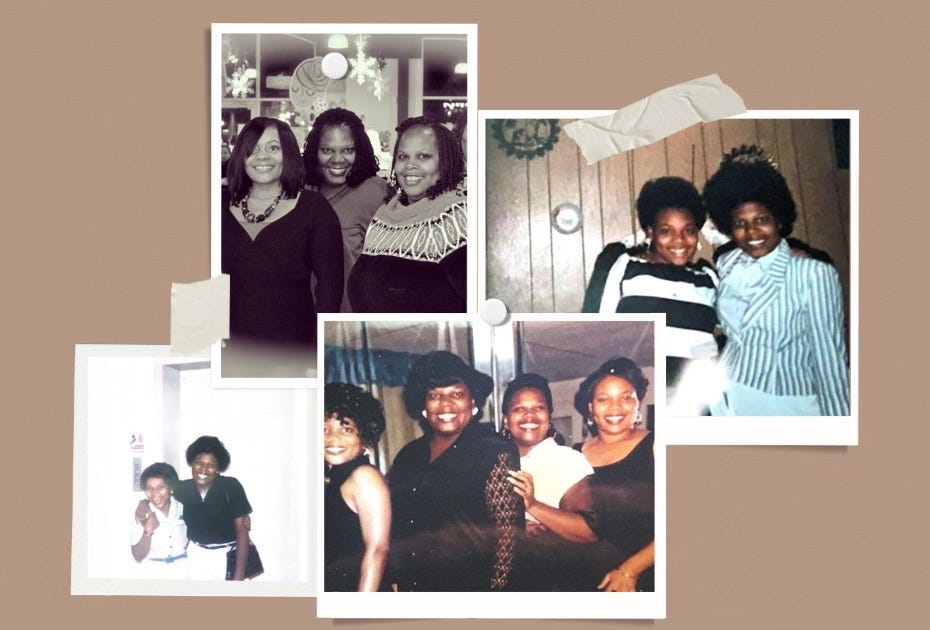
To outsiders, it sounded foreign, but thankfully I’ve always spoken the language. The laughs, communal catchphrases, and teeth-sucking rounded out the rhythm of my grandmother’s dining room.
For me, it was always welcoming, for men, not so much.
There were obvious boundaries in the home: where the women were, the men were not. And if they ever got brave enough to venture in, they’d find themselves trapped in a conversation set up for them to fail.
I often wondered if that was why everyone except my grandparents was either divorced or widowed.
Men didn’t seem to survive in this family—a sentiment my mom hated.
Even at a young age, I hung onto every word they spoke.
Every dinner-table story rounded out my understanding of the world. The plight of a young Black girl seeking to live freely wouldn’t come easily-and yet, they were all doing it and laughing along the way.
That table we sat at every Friday was their altar of womanhood: where they shared stories of their past with the next generation; where I learned that storytelling became the catalyst through which the women in my family survived.
Through those shared stories, they healed themselves-and each other.
These women were the first authors I ever met. Before I would be introduced to Morrison, Walker, Giovanni, or Ntozake, I had them.
When I wrote-crafted words, and constructed characters, they were who I looked toward. Even now, as a writer, I strive to translate that communal storytelling into emotional worlds.
Storytelling seemed to be my birthright—shaped by the women in my family, yet forged by my curiosity of human behavior.
I watched everyone closely:
the men on the corner cracking jokes, the ones talking smack on the community basketball courts, the old ladies sitting on their porches gossiping about everyone coming and going-I became fascinated.
The community was full of the best storytellers, the ones I drew wisdom from.
These neighborhoods were colorful- alive, overflowing with personality. It was there I learned how communities, both geographic and cultural, shape our perspectives.
To me, being Black meant living as a fully charactered person in a fully charactered place.
And that is why I write.
There’s never been a time that I long for those Friday night gatherings as much as I do now; to unburden myself at the table, to ruminate on my plight as a Black woman in my thirties, and to glean from the wisdom of the elders.
To be told that this is nothing new.
To know that if they lived free, found joy, and made peace, then I can too.
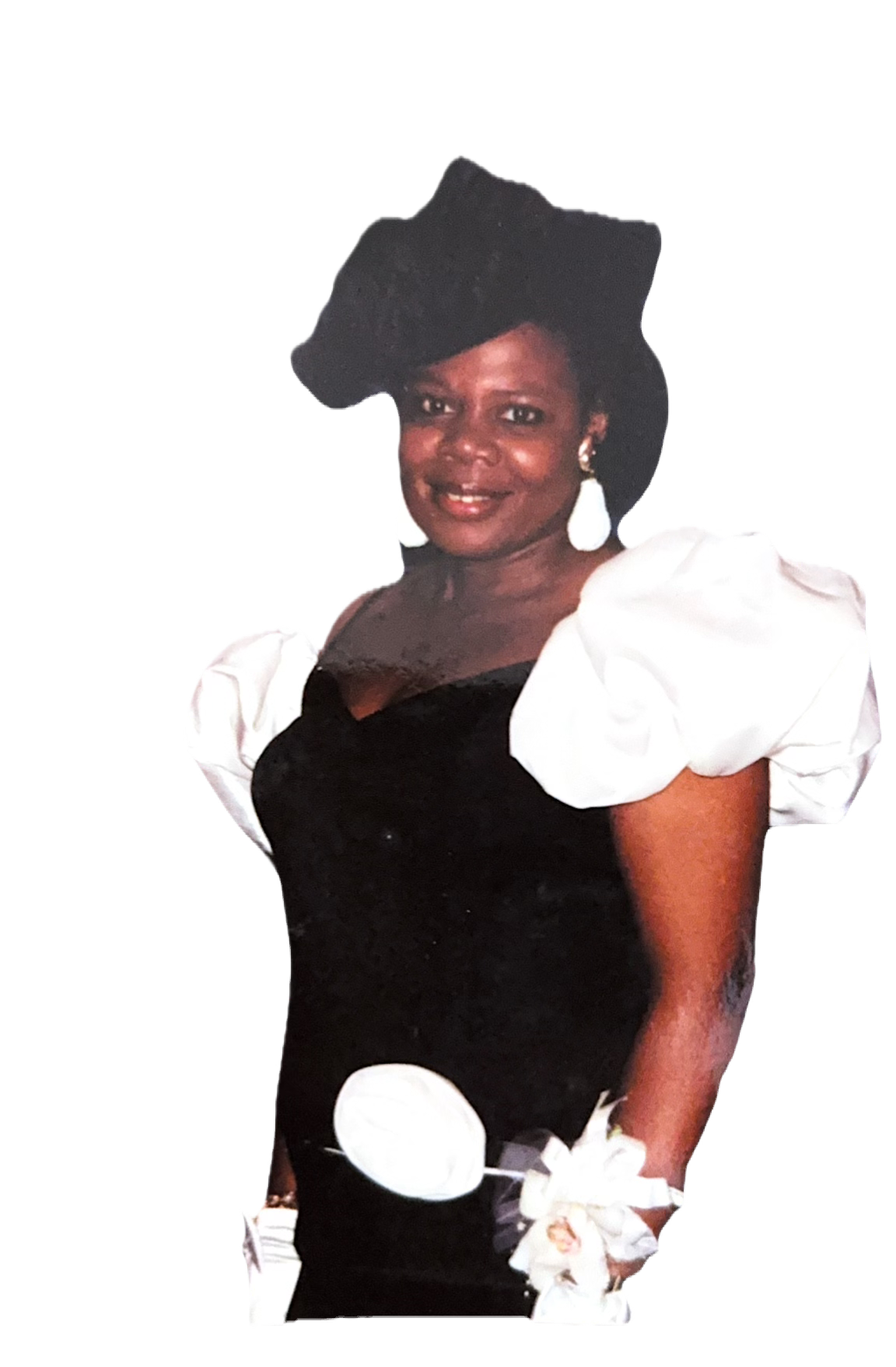
To be grabbed by the hand and told “Girl, let me tell you…” by my grandmother.
But just like Morrison, Giovanni & Ntozake, the inevitable came- the moment when she realized that this world could no longer hold her energy.
And having done enough, she came to me, her granddaughter and whispered:
“It’s your turn”!
And that is why we gather.
-R. Sample
If this story met you somewhere familiar, you’re welcome to return next week. There will always be a seat for you at The Table.